
2025 has delivered one of the most surprising shifts in the UK automotive world — and it’s happening faster than anyone expected.
After years of declining sales, growing restrictions, and predictions that petrol and diesel cars were on their way out, new UK data shows a sudden surge in demand for traditional fuel vehicles. Petrol and diesel registrations have climbed sharply this quarter, reversing a trend that many believed was irreversible.
So why are petrol and diesel making a comeback in 2025?
And what does this mean for drivers choosing their next car?
Let’s break down the story everyone in the car world is talking about this week.
The Big Rebound: Petrol & Diesel Sales Jump in 2025
According to the latest UK market figures:
-
Petrol car sales have risen significantly year-on-year
-
Diesel — previously thought to be “dead” — has seen a small but unexpected revival
-
Hybrid and plug-in hybrid sales continue growing, but not as fast as predicted
-
EV sales have slowed compared with the previous two years
It’s the first time in a long while that combustion engines have gained market share instead of losing it.
This sharp rebound has surprised manufacturers, analysts and leasing companies alike — and has created fresh conversations around fuel choice in 2025.

Why Are Drivers Switching Back to Petrol and Diesel?
There’s no single reason — instead, several factors have collided at once.
Here are the major ones:
The 2030 Ban Delay Changed Consumer Confidence
When the UK pushed the petrol/diesel ban back from 2030 to 2035, everything shifted.
Drivers suddenly felt:
-
less rushed
-
less pressured into an EV
-
more comfortable choosing a petrol or hybrid for their next cycle
This additional five-year window has stabilised demand for combustion engines and given drivers room to breathe.

Winter Highlighted EV Limitations for Some Drivers
Cold weather has a known impact on EV range — often dropping by 10–30% in winter. Combined with:
-
increased public charger demand
-
higher electricity prices
-
slower charging in cold weather
…some drivers reconsidered whether an EV suits their lifestyle right now.
This doesn’t mean EVs are losing — but it means drivers are choosing based on use case, not hype

Fuel Prices Have Stabilised — For Now
With fuel duty frozen until 2026 and petrol/diesel prices settling after volatile years, running a combustion car feels more predictable for many drivers.
Stability breeds confidence, especially for:
-
high-mileage drivers
-
rural drivers
-
fleets
-
business users
Petrol & Hybrid Technology Keeps Getting Better
Manufacturers haven’t stopped improving petrol and hybrid engines. Many 2024–2025 models now offer:
-
lower emissions
-
better fuel efficiency
-
smoother power delivery
-
quieter engines
-
mild hybrid enhancements
Cars like the Toyota Corolla Hybrid, Nissan Qashqai, Ford Puma Hybrid and Renault Captur Hybrid offer excellent real-world efficiency without needing a plug.


Depreciation Concerns Are Slowing EV Growth
Rapid drops in used EV prices over the last 12 months have made some drivers hesitant.
Even though leasing protects customers from depreciation, many private buyers are nervous about long-term EV values — causing them to consider petrol or hybrid options instead.
So… Are Petrol and Diesel “Back”?
Not exactly — but they’re certainly not fading away as quickly as predicted.
Here’s what the trend really means:
✔ The UK is entering a “mixed-fuel era”
Drivers are choosing the fuel that suits their lifestyle, not just what’s promoted the most.
✔ EVs are still growing — just more slowly
Electric cars remain strong, especially for home chargers and salary sacrifice users.
✔ Hybrids are becoming the new mainstream
They offer efficiency without the range limitations of full EVs.
✔ Diesel still makes sense for specific roles
Heavy motorway mileage, towing, rural driving, and commercial use.
The key message:
The car market isn’t going electric-only — it’s becoming more balanced than ever.
What This Means for Drivers Choosing Their Next Car
If you’re considering your next lease, this trend is useful. It means:
1. You have more real choice than ever
EV, hybrid, petrol and diesel are all viable depending on your needs.
2. Petrol & hybrid leasing deals may remain strong
Especially as manufacturers clear stock or rebalance supply.
3. Diesel is becoming a niche option — but a valuable one
If you do 20,000+ miles a year, diesel may still be your most efficient choice.
4. EVs are still best for home chargers and business users
Benefit-in-Kind savings remain unbeatable for company cars.

Final Thought: 2025 Is All About Choosing What Fits Your Life
The biggest story in motoring this week is not that EVs are slowing — it’s that drivers are taking control of their own choices again.
Instead of feeling pushed in one direction, people are stopping, assessing, and picking the fuel type that suits:
And that’s why petrol and diesel have made an unexpected comeback this year.
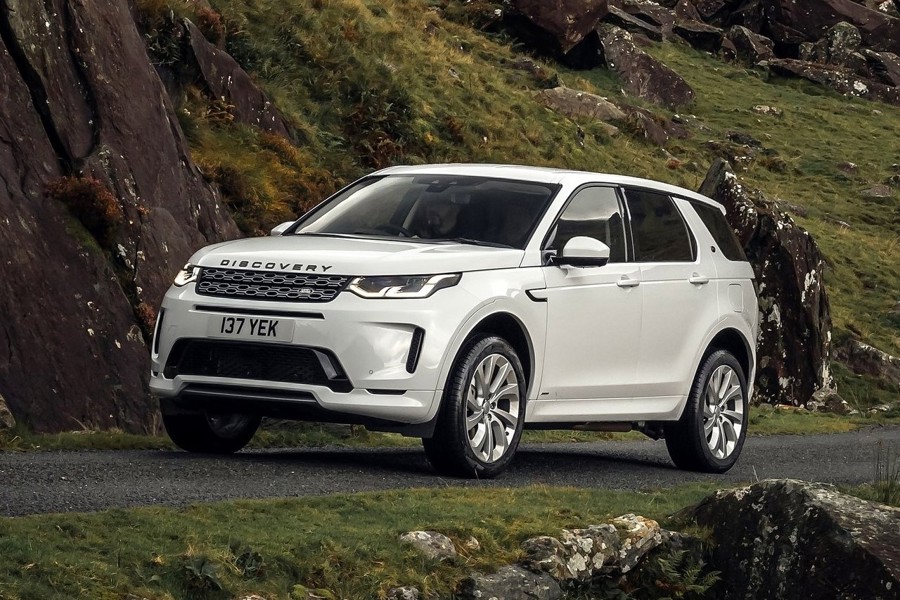
Car Special Offers
These are our very best car leasing special offers currently available. Most of these cars are in stock and available for delivery to your front door within a few weeks! Get in touch with the team today to secure yours...
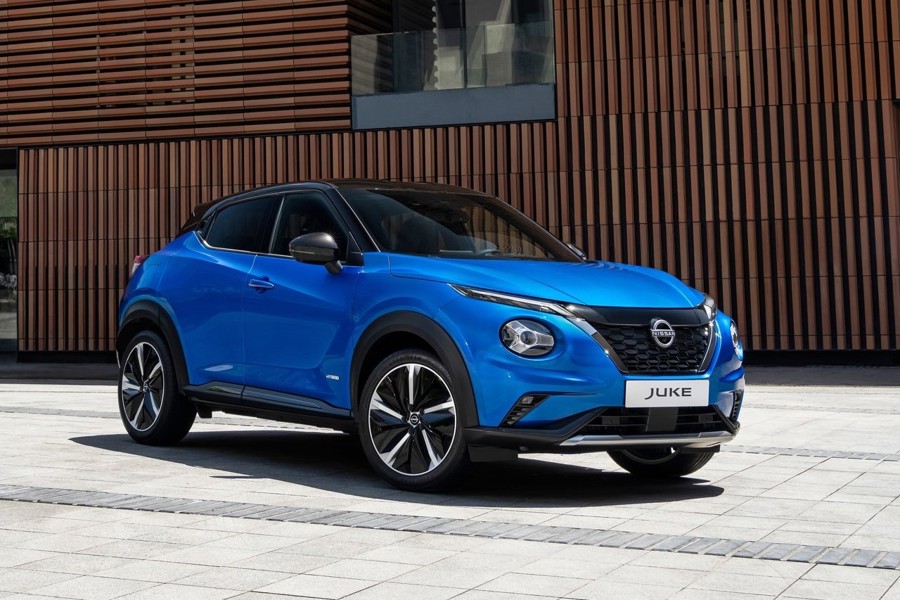
In Stock Car Leasing
Needing a car quick and can't wait for a factory order? Check out our in stock car lease deals available to both business and personal customers below and you can get behind the wheel of a brand ne...
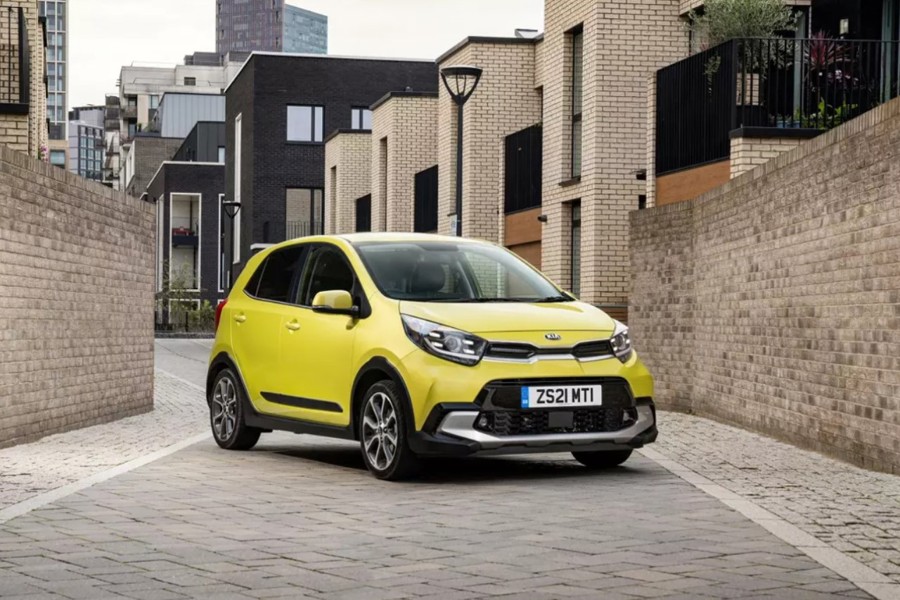
No Deposit Car Leasing
No Deposit, no problem! Whether you’re looking for a personal or business car lease we have a huge selection of brand new cars available with no deposit. No need to pay a hefty upfront payment with...
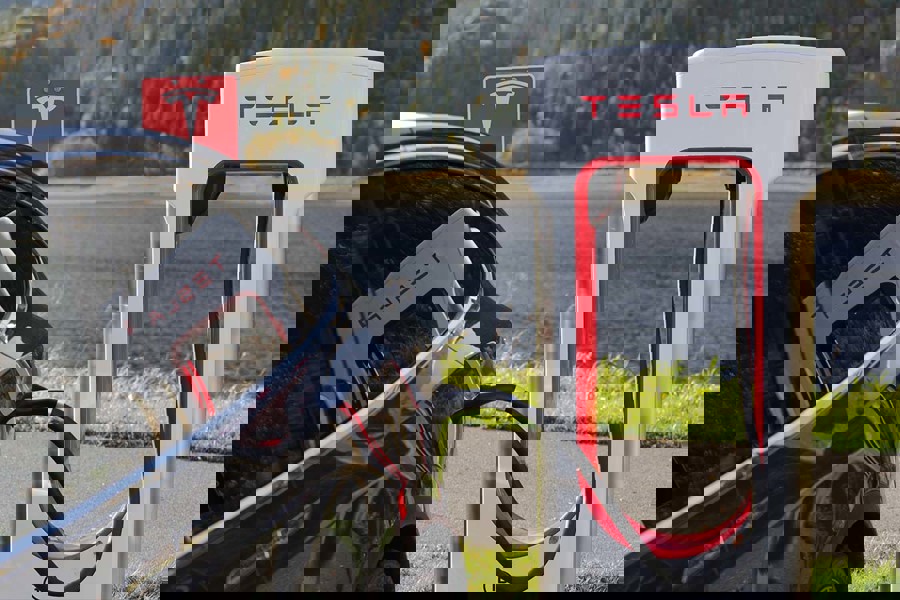
Electric Car Leasing Guide
Looking to go green and lease an electric car? Here's our guide to electric cars; teaching you everything you need to know about electric cars and their benefits!
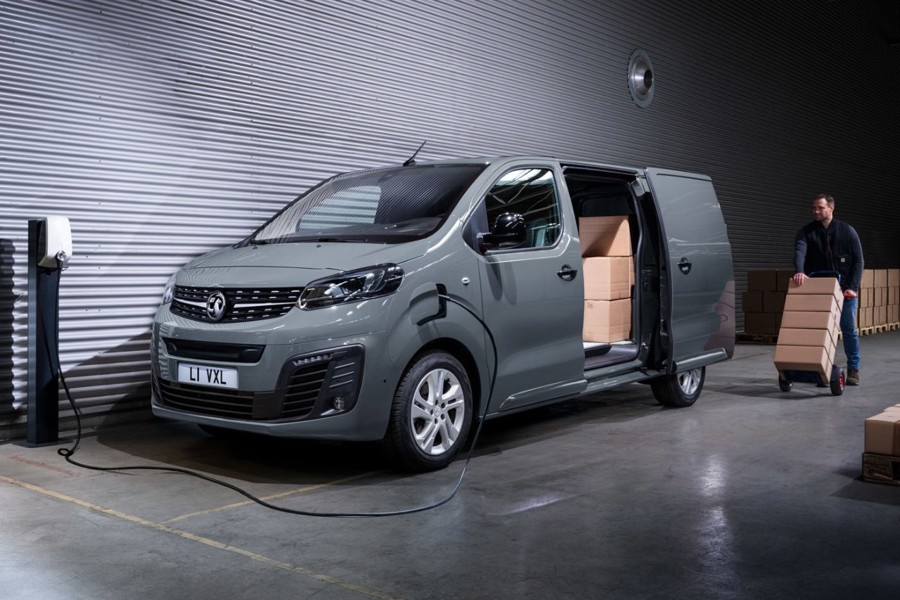
Electric Van Leasing
Want to make a difference when you drive? Check out our electric van lease deals below and you can start saving your money and give back to the planet. Electric vans are the future and with leasing...

Lease GAP Protection
Sometimes you may become the victim of theft or an accident that causes your lease car to be written off. This could leave you with a pricey bill to cover that you didn’t expect to be stuck with. This is where GAP Insurance comes in.
Frequently Asked Questions When Leasing
All our lease deals are delivered free of charge to all Mainland UK addresses. Unless otherwise advised your new vehicle will be driven to your home address by a professional driver on a date and time convenient to yourself.
All our lease deals include road tax for the full duration of your lease. The lease company tax it directly with the DVLA, giving you one less thing to worry about.
At the end of the lease agreement you simply hand the car back to the finance company. They will contact you directly to arrange collecting it from your home address, free of charge. You can either lease another car or look elsewhere. As long as the vehicle is in good condition you won't have anything extra to pay. You can view the fair wear and tear guide here.
The minimum term we offer on our car leasing and van leasing offers are 18 months and the maximum is five years.
The initial rental is a payment you make at the start of your lease agreement. Your initial rental is calculated in multiples of your regular monthly payment and can be based on 1, 3, 6, 9 or 12. As it pays a proportion of your total lease cost it means the more you pay upfront, the lower your monthly payment will be.


